

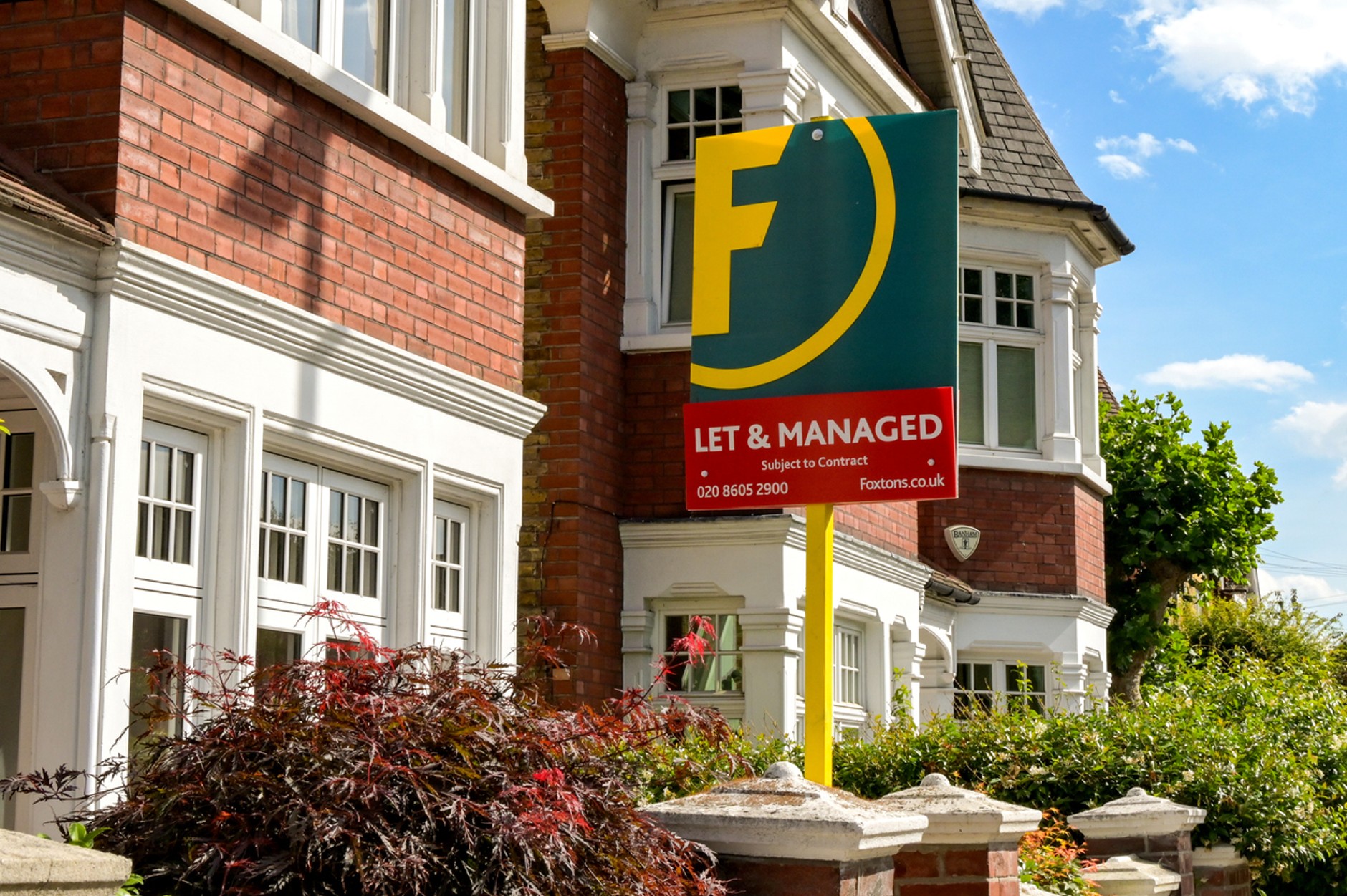
Becoming a landlord can be a great way to generate regular income and build long-term wealth, as well as making use of a property you already own. Renting out a property can be a great long-term investment/business venture, whether it’s a property you already own, one you have inherited or one you have purchased specifically as a buy-to-let.
However, renting out a property involves a lot more than just finding a tenant. Many first-time landlords don’t realise quite how much preparation is involved in ensuring a property is safe and compliant to rent out. There are a lot of things to consider and put in place, you have legal responsibilities, safety regulations to uphold, financial considerations and ongoing management to think about.
If you miss something important, this can result in delays, fines, or costly disputes. For a first-time landlord, it can be a lot to get your head around, especially if you have no idea where to start. That’s why we have created the ultimate landlord checklist. This first-time landlord checklist walks you through everything new landlords need to know and do before renting out their property and explains how working with an experienced property management company like Emperor home can make the process a lot simpler.
People often become landlords to generate regular, sometimes passive, income. Property is a great long-term investment with strong capital growth, so rental properties can provide attractive long-term returns. But it is important to remember that being a landlord is also a business and like any business, it comes with financial commitments, legal responsibilities and ongoing management.
Before you decide to rent out a property, it’s best to take a step back and as yourself whether becoming a landlord is the right decision for you. Ask yourself the following questions:
Landlord legislation continues to evolve, with regulations covering everything from property safety and deposit protection to tenant rights and energy efficiency. Just recently, the new Renters Rights Act was introduced, which gave tenants new rights and introduced new rules for private landlords. As a landlord, it is your responsibility to stay up to date with all new introductions and legal obligations. Staying informed is essential to remaining compliant throughout the tenancy.
Rental income doesn’t directly translate into straight profit. You need to budget for ongoing expenses to ensure you do make a profit, some of these include:
Having a financial buffer can make these costs a lot easier to manage and helps you stay prepared for any unexpected expenses.
Many first-time landlords plan to manage the property themselves as they don’t realise how much time if actually involved in this. Before you decide, it’s good to know that managing a tenancy often involves:
If you’re already balancing work or family commitments, outsourcing these responsibilities to a professional property management company can often prove more cost-effective than trying to handle everything yourself. Having a property management company can make the experience of being a landlord a lot less stressful.
If your property currently has a residential mortgage, you’ll usually need permission from your lender before renting it out. Some lenders may grant Consent to Let, while others may require you to switch to a buy-to-let mortgage. Always check with your mortgage provider before advertising your property to avoid breaching your mortgage conditions.
Rental income is taxable, and landlords may also need to consider Capital Gains Tax if they later sell the property. Tax rules vary depending on your circumstances, so it’s worth seeking advice from a qualified accountant or tax adviser before becoming a landlord.
Taking the time to answer these questions now can help you avoid unexpected challenges later and ensure you’re fully prepared for your new responsibilities.


One of the biggest mistakes new landlords make is setting the wrong rental price. It’s understandable that you want to get the highest possible monthly rent for your property, but overpricing your property can often have a negative effect. Properties that remain on the market for longer periods become less attractive to prospective tenants, which leads to extended void periods. This can cost you more in lost rental income than pricing competitively from the outset.
On the other hand, undervaluing your property means you could miss out on hundreds or even thousands of pounds in rental income over the course of a tenancy. So, getting that balance just right can be a challenge, but that is why getting a professional rental valuation from an expert is so important.
A professional rental valuation considers a lot more than just the size of the property and comparing it similar ones. Factors they consider include:
An experienced local letting agent will also understand seasonal fluctuations and tenant demand within different areas, helping you price your property realistically while maximising its earning potential.
For landlords in Liverpool, local knowledge can make a significant difference. Rental demand and achievable rents can vary considerably between neighbouring areas, making an accurate valuation an essential first step. If you’re unsure what your property could achieve, it’s worth arranging a professional rental valuation before making any decisions.
Before you advertise your property, it’s essential to make sure it complies with current legislation. Landlords have a legal duty to provide tenants with a safe, well-maintained home, and failing to meet these responsibilities can lead to fines, legal action and delays in letting your property.
While the list of regulations may seem daunting at first, tackling them one by one makes the process much more manageable. We have listed the main legal responsibilities below.

Obtain an Energy Performance Certificate (EPC)
Every rental property in England and Wales must have a valid Energy Performance Certificate (EPC) before it can be marketed to tenants.
The EPC gives your property an energy efficiency rating from A to G and provides recommendations for improving its performance. In most cases, rental properties must achieve a minimum EPC rating of E, although proposed government changes may increase this requirement in the future.
Having an up-to-date EPC not only keeps you compliant but can also make your property more attractive to tenants looking to reduce energy costs. The higher your EPC rating, the more energy efficient your home which can increase value. It is worth looking into energy efficiency improvements you can make to your property before renting it out, as there are some simple, low-cost improvements you can make to increase your EPC rating.
Arrange a Gas Safety check
If your property has any gas appliances, you must arrange an annual Gas Safety Inspection carried out by a Gas Safe registered engineer.
Following the inspection, you’ll receive a Gas Safety Certificate confirming that all appliances have been checked and are safe to use. A copy must be provided to new tenants before they move in, with updated certificates supplied after each annual inspection. Scheduling this well before marketing your property helps avoid unnecessary delays.
Check your electrical safety
Landlords are legally required to ensure the electrical installations within their property are safe. This includes obtaining an Electrical Installation Condition Report (EICR) at least every five years from a qualified electrician. Any remedial work identified within the report should be completed promptly to keep the property compliant.
It’s also good practice to check that any electrical appliances you provide, such as ovens, washing machines or kettles, are in safe working order before a tenancy begins.
Install smoke and carbon monoxide alarms
Smoke alarms must be fitted on every storey of the property used as living accommodation. Where required, carbon monoxide alarms should also be installed in rooms containing fixed combustion appliances.
Before your tenant moves in, make sure every alarm is tested and working correctly. It’s a simple step that helps protect your tenants and ensures you meet your legal obligations.
Carry out right to rent checks
In England, landlords must confirm that all adult tenants have the legal right to rent property in the UK before a tenancy begins. This usually involves checking original identification documents or using the Government’s online checking service where applicable. Keeping accurate records of these checks is an important part of your responsibilities as a landlord.
Protect your tenant’s deposit
If you take a tenancy deposit, it must be protected in a Government-approved tenancy deposit scheme within the required timeframe. You’ll also need to provide tenants with the prescribed information explaining where their deposit is held and how it will be returned at the end of the tenancy.
Failing to protect a deposit correctly can result in financial penalties and may affect your ability to regain possession of your property if needed.
Check whether your property requires a licence
Depending on where your property is located and how many people will live there, you may need a landlord licence before letting it. Some Houses in Multiple Occupation (HMOs) require mandatory licensing, while many local authorities also operate selective or additional licensing schemes for privately rented homes.
Licensing rules vary across the country, so it’s always worth checking with your local council before advertising your property. For landlords in Liverpool, Emperor Home can help you understand any local licensing requirements that may apply.

A well-presented property is more likely to attract quality tenants, achieve a higher rental value and let more quickly. Before arranging photographs or viewings, take the time to make sure the property is clean, safe and ready for someone to move straight into.
Small improvements can often make a significant difference to first impressions and help your property stand out in a competitive rental market. Professional photography is also worth considering, as high-quality images tend to generate more enquiries and increase viewing requests.
Choosing the right tenant is one of the most important decisions you’ll make as a landlord. A reliable tenant is more likely to pay rent on time, look after your property and communicate openly if any issues arise.
While it can be tempting to accept the first interested applicant, taking a little extra time to carry out proper checks can help prevent problems further down the line.
Carry out tenant referencing
Tenant referencing is there to give landlords confidence and peace of mind before a tenancy begins. It usually includes:
These checks help ensure prospective tenants can comfortably afford the rent and have a positive rental history. It also ensures they don’t have any CCJs and have the right to rent a property in the UK.
If you’re using a letting agent or property management company, they’ll usually arrange the referencing process on your behalf, saving you time while ensuring all necessary checks are completed professionally.
Create a detailed inventory
Before your tenant moves in, it’s important to document the property’s and its contents condition. This should include:
Both landlord and tenant should review and agree the inventory before the tenancy begins. Having an accurate record helps avoid misunderstandings and makes it much easier to resolve any disputes when the tenancy ends.
One of the biggest decisions landlords faces is whether to manage the property themselves or appoint a professional managing agent. There is no right answer here, it depends on your experience, availability and confidence in handling the day-to-day responsibilities that come with letting a property. Do you want to be a very hands-on landlord, or would you prefer not to have to deal with the everyday communications or issues that come with managing tenants directly?

Self-managing a property
Many landlords choose to manage their own properties, particularly if they’re only renting out one home. Self-management gives you complete control over the tenancy, but it also means you’re responsible for every aspect of running the property. This includes:
For some landlords, this works well. For others, particularly those balancing work, family commitments or multiple properties, it can quickly become time-consuming.
Using a property management company
A fully managed service allows landlords to remain hands-off while knowing their investment is being looked after by experienced professionals. At Emperor Home, our property management service includes:
Rather than worrying about day-to-day administration or unexpected maintenance calls, landlords can enjoy the benefits of rental property ownership while experienced professionals handle the practical aspects of managing the tenancy. This means you enjoy a hassle-free experience while enjoying maximised rental income.

Even experienced landlords continue learning throughout their careers but avoiding a few common mistakes from the outset can save considerable time, money and stress.
Pricing the property incorrectly
An unrealistic asking price can lead to longer void periods, while undervaluing the property could reduce your overall return. Obtaining a professional rental valuation before advertising your property helps ensure you’re entering the market competitively.
Skipping tenant checks
Accepting a tenant without carrying out proper referencing can increase the likelihood of rent arrears or tenancy disputes. It’s always worth taking the time to ensure you’ve found the right tenant.
Underestimating maintenance
Every rental property requires ongoing maintenance, whether that’s routine servicing or unexpected repairs. Planning for these costs helps protect both your finances and your tenants’ experience.
Failing to keep good records
Keeping organised records of inspections, certificates, tenancy agreements and maintenance work makes it much easier to demonstrate compliance and resolve any issues that arise.
Trying to do everything yourself
Many landlords begin by managing everything themselves before realising just how much time is involved. If managing your property starts to feel overwhelming, professional property management can remove much of the administration while helping ensure your investment continues to perform well.
Now we’ve ran through everything you need to know and do before renting out a property. We’ve compiled an easy-to-use version of your landlord checklist here, so you can tick off each stage as you go.
Completing each of these steps will help you start your tenancy on the right footing while protecting both your property and your tenants.
Becoming a landlord can be a rewarding investment, but success starts long before your first tenant moves in. Taking the time to prepare your property, understand your responsibilities and follow a clear process can help you avoid common pitfalls while creating a positive experience for everyone involved.
Whether you’re renting out your first home or adding another property to your portfolio, having the right support can make the process significantly easier.
At Emperor Home, we help landlords across Liverpool maximise their rental income while removing the stress of managing a property. From rental valuations and marketing to tenant sourcing, rent collection, maintenance and ongoing property management, our experienced team is here to support you every step of the way.
Contact Emperor Home today to arrange a free rental valuation and discover how our tailored property management services can help you get the most from your investment.
What do I need before renting out my property?
Before renting out your property, you’ll need to ensure it meets legal safety requirements, obtain the necessary certificates, set an appropriate rental price, prepare the property for tenants and complete the required checks before the tenancy begins.
Do I need a letting agent to rent out my house?
No. Landlords can choose to manage their property themselves or appoint a letting or property management company. Many landlords choose professional management to save time and ensure ongoing compliance.
What certificates does a landlord need?
Most landlords will need a valid Energy Performance Certificate (EPC), an annual Gas Safety Certificate where gas appliances are present, and an Electrical Installation Condition Report (EICR). Other legal requirements may apply depending on the property.
How do I choose the right tenant?
Tenant referencing is one of the best ways to assess suitability. This usually includes identity, employment, affordability and previous landlord checks to help ensure tenants can comfortably meet their rental commitments.
Is a property management company worth it?
For many landlords, particularly those with busy schedules or multiple properties, professional property management offers peace of mind by handling marketing, tenant communication, rent collection, maintenance and ongoing compliance.