


If you’re researching what is assured tenancy, you’re likely comparing tenancy types or trying to understand your rights and responsibilities as a landlord or tenant. In the UK rental market, assured tenancies offer one of the highest levels of security, but they’re also less common today than other agreements.
In this guide, we’ll break down everything you need to know about assured tenancies, including how assured tenancies work, when they’re used, their benefits, and how they compare to assured shorthold tenancies (ASTs).
An assured tenancy is a type of residential tenancy agreement in England that gives tenants long-term security of tenure. This means tenants can typically remain in the property indefinitely, as long as they follow the terms of the agreement. They are often considered “lifetime” tenancies, allowing tenants to stay in their home for the long term.
Unlike more common tenancy types, landlords cannot evict tenants without a valid legal reason (known as “grounds for possession”) and must prove this in court.
Assured tenancies are most often used by housing associations, but they are sometimes used by private landlords too.
Key features of an assured tenancy:
Most modern private rentals are not standard assured tenancies, they are usually Assured Shorthold Tenancies (ASTs), which offer more flexibility for landlords.

Assured tenancies are now relatively rare in the private rental sector but are still used in specific situations:
Today, most private landlords use assured shorthold tenancies instead, as they offer greater control over the property.
Need advice on the right tenancy for your property? Emperor Home can guide you through every step, from tenancy selection to full property management. If this is your first time renting out a property, read our beginners guide to renting out your house to discover our top tips and expert advice.
There are several benefits to an assured tenancy, mainly that they offer greater security and stability. Some of the main benefits of assured tenancy are listed below:
For tenants
However, with the introduction of the Renters Rights Act this year, even assured shorthold tenancies are providing greater protection and security for tenants now.
For landlords
However, this stability comes at a cost, there is less flexibility for landlords if circumstances change.

An assured tenancy usually applies when:
However, most new tenancies created today default to ASTs unless specifically set up otherwise.
You could already have an assured tenancy if all of the following apply:
Usually, with an assured tenancy, an initial fixed term is put in place and once that is completed, the tenancy automatically continues on a ‘periodic fixed tenancy’ basis. This allows the tenant to stay as long as they wish, but they do still have the option to give notice.
Understanding the difference between these two tenancy types is essential, whether you’re a tenant or a landlord.
Assured Tenancy
Assured Shorthold Tenancy (AST)
ASTs became the default tenancy type after 1997 and are now the standard in private renting. The vast majority of rental properties in Liverpool, especially those aimed at students and young professionals, use AST agreements.
It is important to note that from May 1st 2026, Assured Shorthold Tenancies will now automatically become an Assured Periodic Tenancy instead.
Pros and Cons: Assured Tenancy vs AST
Assured Tenancy
Pros
Cons
Assured Shorthold Tenancy
Pros
Assured Shorthold Tenancy
Cons
As mentioned, there are several pros and cons to each type of tenancy, so you may be wondering when it is best to use each one.
Use an Assured Tenancy if:
Use an Assured Shorthold Tenancy if:
Not sure which option is right? Emperor Home can assess your situation and recommend the most suitable tenancy structure for your investment.
The UK rental market is evolving. Recent legislation, including the Renters’ Rights Act, is set to reshape tenancy structures, potentially replacing traditional ASTs with periodic assured tenancies in the future.
Under The Renters’ Rights Act, from 1 May 2026, tenants are given new rights and . This includes the end to no-fault evictions, so landlords can no longer evict tenants without good reason, and the end to rent review clauses, so landlords can only increase the rent once per year and it must be no higher than the open market rent. Tenants also now have the right to request to keep a pet, and this cannot be unreasonably refused by a landlord without good reason.
This makes it more important than ever to stay informed and work with experienced property professionals who can ensure you are legally complaint and remain up-to-date with the latest legislation to understand how it affects you.

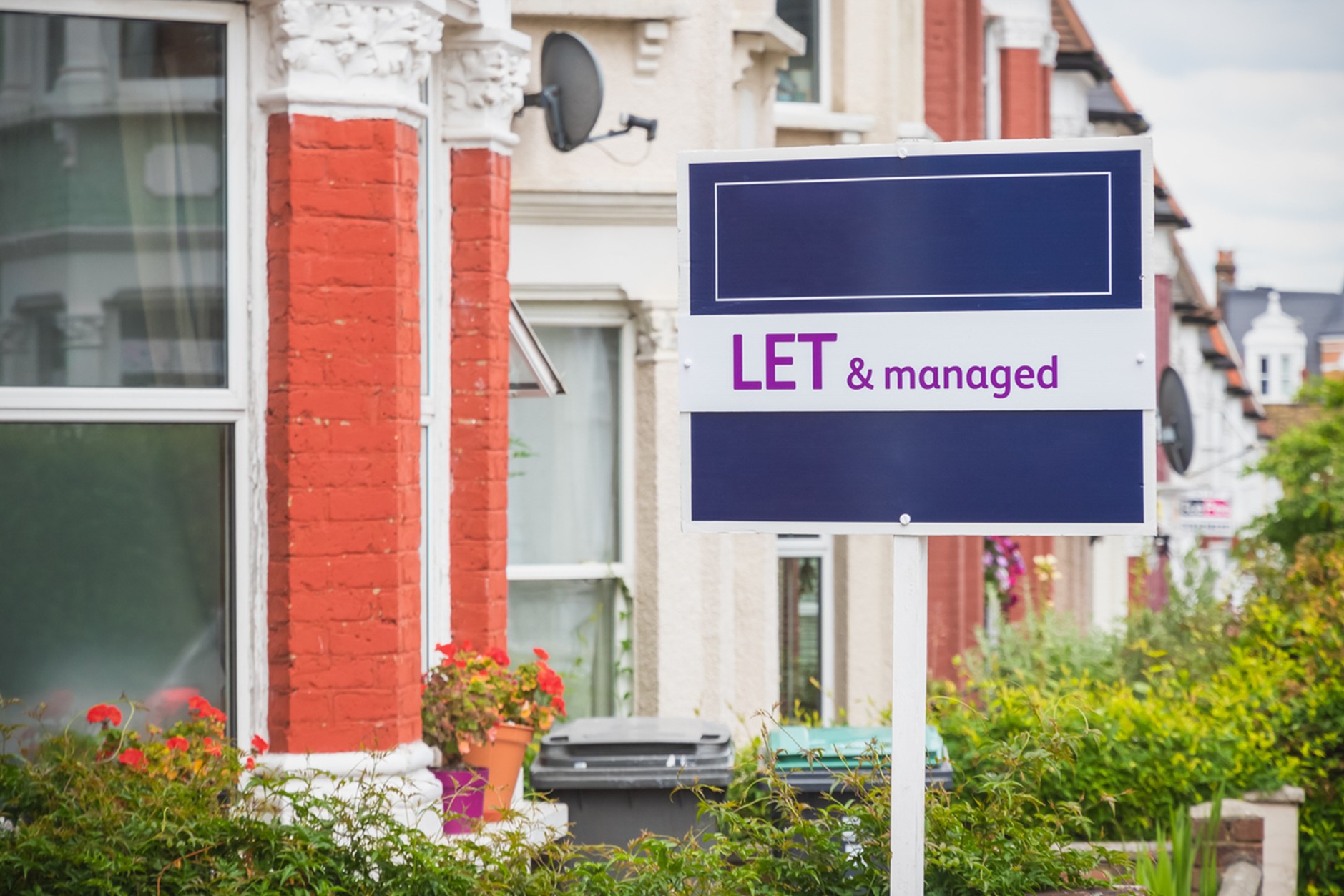
If you’re unsure what type of tenancy to put in place for your property, get in touch with Emperor Home today. We can provide advice on the best option for you and even help you draft a tenancy agreement.
Choosing the right tenancy agreement is just one part of managing a successful rental property. Emperor Home offers:
Ready to maximise your rental investment? Visit Emperor Home today and let their experts handle everything, from tenancy setup to ongoing management.